
Middle Housing with Purpose: How Homeowners Can Make the Most of the New Zoning in Washington
The following insights come from an ongoing conversation between John DeForest of DeForest Architects and J. Irons of MRA Custom Builders —two professionals who are committed to helping their clients make the most of Seattle's evolving residential landscape. We've used AI to help consolidate and organize these discussions into a resource we hope you'll find valuable.
Seattle's residential neighborhoods are entering an exciting new era. Recent changes to zoning regulations are opening up opportunities for homeowners to reimagine what's possible on their property—creating personalized living arrangements, generating rental income, building long-term wealth, and contributing to more vibrant, diverse neighborhoods.
Whether you're looking to accommodate multiple generations of family, create flexible space for changing life stages, or develop quality housing while maintaining control over your neighborhood's character, the new regulations offer pathways worth exploring.
To be honest, these changes are both exciting and concerning. That's exactly why we're having this conversation: we want to work with homeowners who approach development differently—people who value quality design, durable construction, and genuine community contribution alongside financial return.
Here's what Washington homeowners need to know.
What's New?
For decades, residential areas in Seattle and elsewhere in Washington were divided into distinct categories: single-family zones, low-rise areas, mid-rise zones, and commercial districts. Over the years, these regulations evolved to allow accessory dwelling units (ADUs)—first attached, then detached—giving homeowners some flexibility to add smaller units to their properties.
Now, driven by statewide legislation (HB 1110) and the need to plan for regional growth, many local jurisdictions have taken a significant step forward. As of June 2025, all of Washington State is required to adopt provisions that allow for increased density. Seattle, for example, has responded by replacing its "single-family" designation with "Neighborhood Residential" zoning.
What does this mean in practical terms?
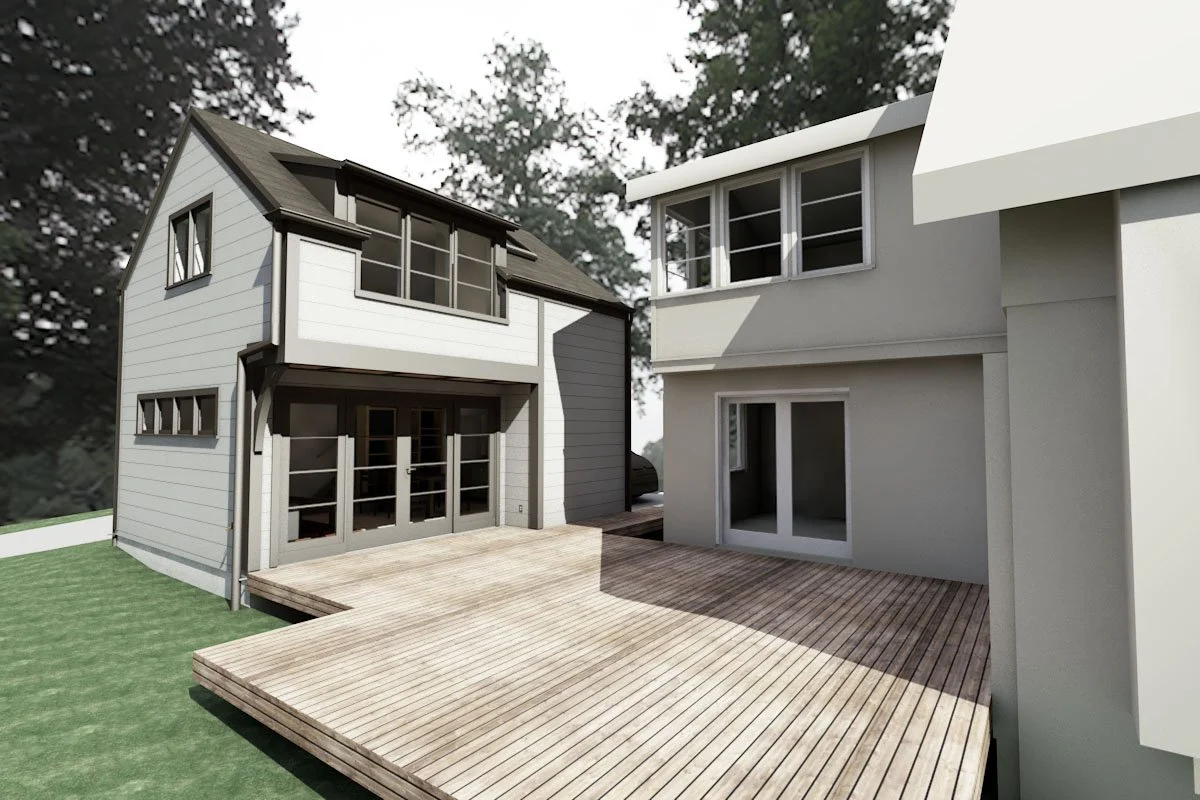
Under the new regulations, property owners can now build up to four dwelling units on lots that previously allowed only one house. If your property is located near transit corridors, you may be able to build up to six units. Some modifications apply based on factors like critical areas and future provisions for affordable housing, but there is a fundamental shift: homeowners now have significantly more options for how they use their land.
It's important to note that these are interim measures. Local communities are still working out details—such as how lot subdivision will work, which is expected to be addressed in 2026. As architects and builders, we anticipate some twists and turns as these policies evolve, but the bottom line is “middle housing” will be key to increasing density.
What New Possibilities Does This Open Up?
The new zoning opens up creative possibilities that go far beyond traditional single-family living. Here are several scenarios where homeowners might benefit:
1. Multi-Generational Living and Flexible Space
Perhaps you've lived in your neighborhood for years, your house is larger than you currently need, and you have adult children who aren't flying too far from the nest—or aging parents you'd like to have nearby. Developing additional units on your property gives you tremendous flexibility over time.
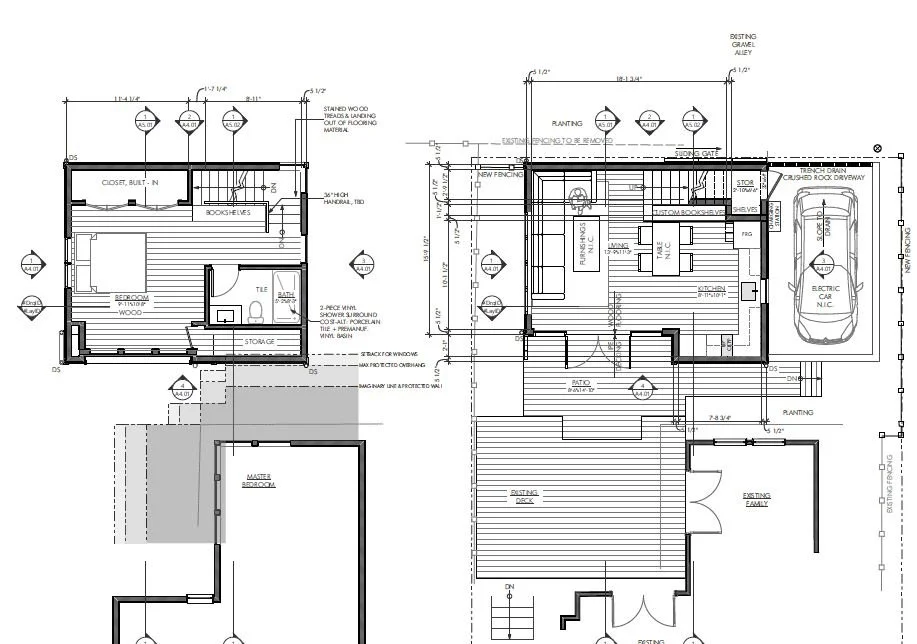
We've worked with clients who've used ADUs (Accessory Dwelling Units) and DADUs (Detached Accessory Dwelling Units) as home offices during remote work periods, then transitioned them to housing for returning adult children, and later as gathering spaces for book clubs and friend groups. With the ability to create multiple units, these possibilities expand even further. You could maintain your primary residence while creating separate living spaces that accommodate changing family needs over decades.
2. Control and Quality
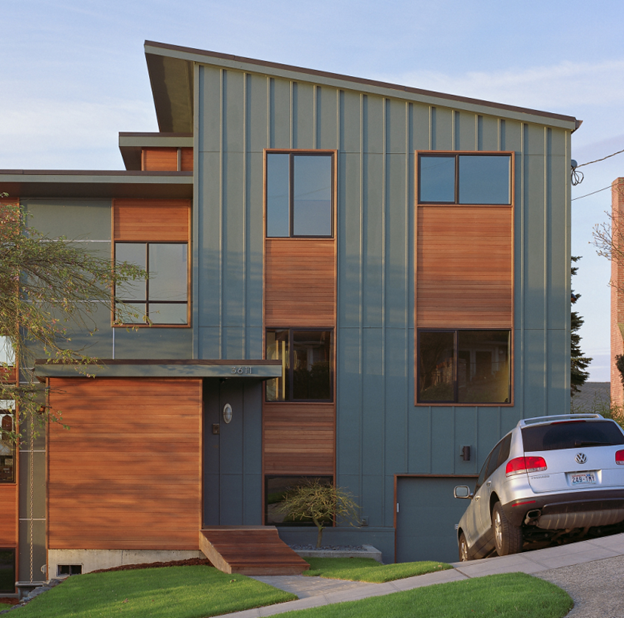
When you develop your own property you can make decisions based on your priorities—not solely on maximizing short-term profit. This often translates into:
Better design quality: Thoughtful composition, human-scaled details, appropriate materials, and architecture that fits the neighborhood context
Durable construction: High-quality building envelopes that will last 80-100 years, proper weatherproofing, reduced maintenance, and craftsmanship that holds up over time
Sustainable value: Buildings that age gracefully, adapt to changing needs, and maximize energy efficiency.
These qualities matter if you're going to live there and care about your neighborhood's character.
3. Income Generation
Additional dwelling units can generate monthly rental income that helps offset construction financing or simply provides ongoing revenue. You maintain control over who rents from you—choosing tenants who align with your values and vision for your property—while building equity and creating value that compounds over time.
This approach appeals particularly to homeowners who see their property as a long-term investment rather than a quick flip. The rental income provides cash flow, while the additional housing adds value to the property overall.
4. Fee-Simple Ownership and Neighborhood Control
While the regulations around lot subdivision are still being finalized (expected in 2026), the ability to develop multiple units and potentially sell them individually offers another pathway. This means you could develop several smaller homes on your lot and sell some on a fee-simple basis—allowing you to realize immediate profit while maintaining ownership of your own home.
The benefit here extends beyond financial return. When you develop the property yourself, you control crucial decisions: What do you see from your backyard? How is privacy protected? Is the development scaled appropriately? Is it well-designed and built to last?
This isn't just feel-good rhetoric. The scale of development made possible by the zoning changes is intensely personal—lot by lot, block by block. When done with care, middle housing can enhance everything we value in our residential neighborhoods.
Getting Started
If you're a homeowner curious about how the new Neighborhood Residential zoning might benefit you, the most important step is simply starting the conversation. A common question is "Do I talk to an architect first or a contractor first?" Either one is a great place to start. Ultimately, you'll want a small team of trusted advisors working together including an architect, general contractor, lender, and other consultants. The key is finding professionals who share your values and work well together.
We don't expect homeowners to have everything figured out—in fact, we know that most projects begin with more questions than answers. Our role is helping you:
Understand what's possible on your specific site
Clarify your goals and priorities
Develop realistic timelines and budgets
Identify the right team members for your project
Determine whether moving forward makes sense
Not every project should move forward, and that's okay. We believe in providing good advice and helping people find their way, trusting that this approach serves everyone well in the long run.
Summary
The new Neighborhood Residential zoning represents a genuine opportunity for Washington homeowners to rethink how they use their property—creating value that extends beyond purely financial returns to encompass flexibility, community contribution, and long-term satisfaction.
Whether you're just beginning to wonder "what if?" or you're ready to seriously explore developing ADUs and DADUs or larger multi-unit projects, we're here to help.
We live here, we build here, and we're genuinely excited about helping create neighborhoods that serve diverse needs while preserving the character and community that make our neighborhoods special.
Let's start the conversation.



John DeForest
A native Seattleite, John founded DeForest Architects with a vision of developing a more collaborative, client-inspired approach to design.